What Training Really Is (And What It Isn't)
Training isn't punishment or control. It's the foundation of trust between you and your dog — a shared language that keeps everyone safe and happy.
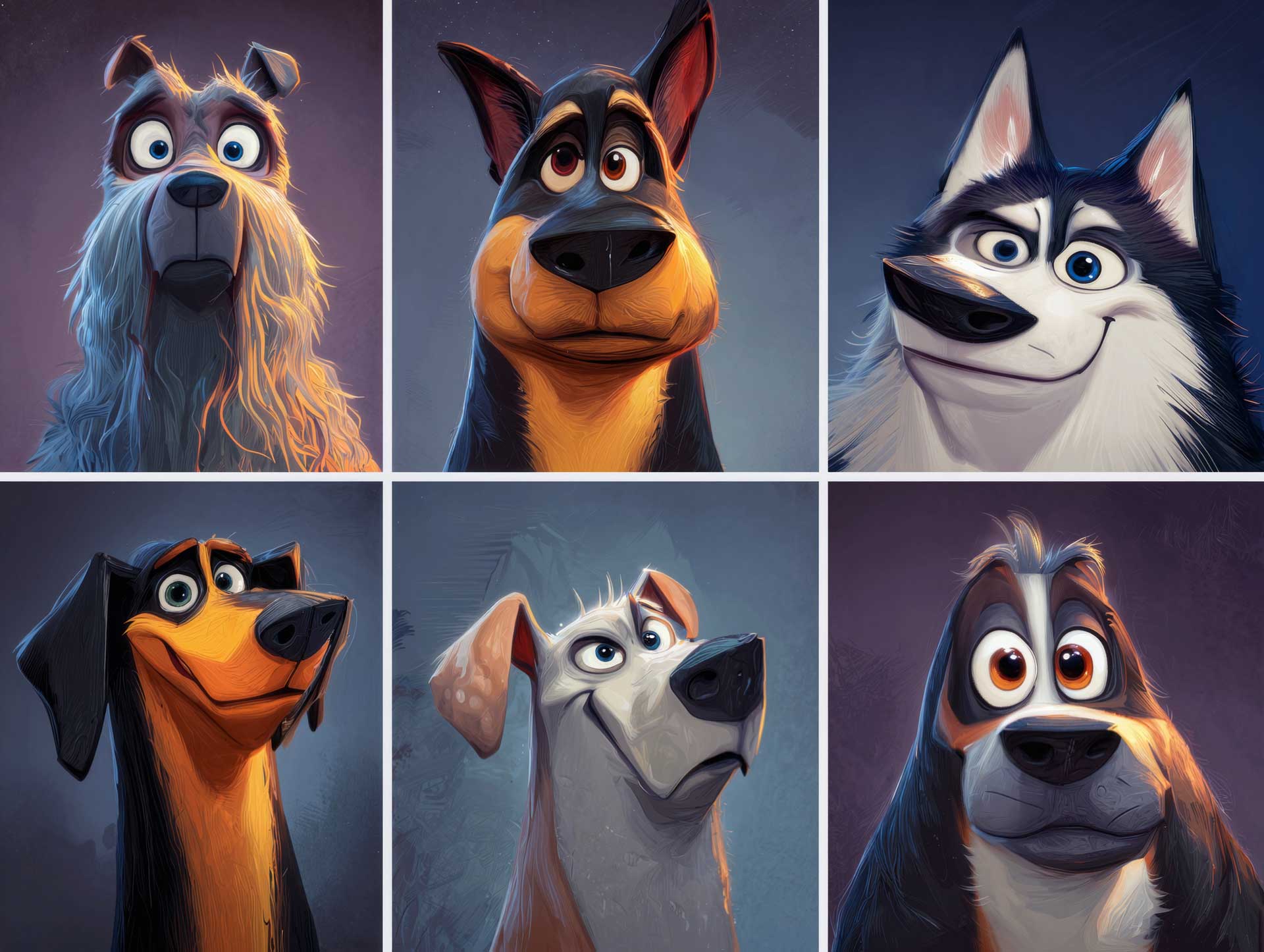
Training Isn't About Control
When most people hear "dog training," they think of obedience drills, strict correction, or a dog walking in perfect heel. That's not what we do. Training isn't about control — it's about communication. It's teaching your dog to understand the boundaries of the world they live in so they can make safe choices within it.
What Training Actually Is
Real training is clarity. It's your dog learning what's expected, what keeps them safe, and what you value. When a dog understands the rules of the yard — where the hidden fence boundary is, what "stay" means — they're not being oppressed. They're being given freedom. A well-trained dog isn't anxious or resentful. They're confident because they know where they stand.
We use proven K9-unit methodology applied to family dogs: clear markers, consistent reinforcement, and humane correction at multiple levels. Most dogs grasp it in one weekend because the training is direct and fair. There's no confusion. No guesswork. Just a clear agreement between handler and dog.
What Training Isn't
Training isn't about punishing your dog for being a dog. It's not about dominance or fear. It's not about breaking their spirit or forcing submission. Poorly executed training creates anxiety, reactivity, and distance between you and your dog. We've rehabilitated shelter dogs damaged by aversive methods — it takes time to rebuild that trust.
Good training is the opposite. It builds trust.
The Healthy Relationship That Emerges
When a dog truly understands their boundaries — when they know their yard, their limits, and your expectations — something shifts. The anxiety dissolves. They stop testing because they're not confused anymore. You stop correcting because they're not breaking rules they don't understand.
What you get is a dog who looks to you for guidance. Not out of fear. Out of respect and partnership. They're calm in their space. They respond to commands because the training happened and made sense. You're relaxed because you trust them. They're safe. The invisible fence holds not because of static correction, but because they've learned the boundary and they respect it.
That's the relationship we're building: clarity, safety, and mutual understanding. A dog who knows their place in your world, and a family who trusts their dog.
